

Curatorial text · Denzo Nyath
How is a triangle the strongest shape? is a musing.

The exhibition positions itself as a genuine line of enquiry, taking an interest in the methodology around sustained resistance in the most adversarial of times. Reflecting on the height of the HIV crisis, one wonders how it is that a community experiencing injustice on at least three fronts was able to physically, mentally and spiritually conjure the strength needed for resistance. When compounding Blackness under an Apartheid state, queerness and the intentional neglect of the medical community: where does one draw the strength to extend care to not only themself, but members of their community? As Acts of Care brings to close proximity these difficult histories, How is a triangle the strongest shape? becomes a timely revisiting, and allows itself to be re-sensitised, standing in awe of the leaders before us. With reverence, the question of “how” is truly meant.
The exhibition takes particular note of the ephemera associated with resistance. Placards and posters, typically produced in community ahead of demonstrations, are regarded as inadmissible extensions of resistance as a language of their own. As Acts of Care’s third station invites attendees into the practice of this language with the digital and physical production of posters, Latitudes Centre for the Arts becomes a participatory fine art space that engages craft communally.
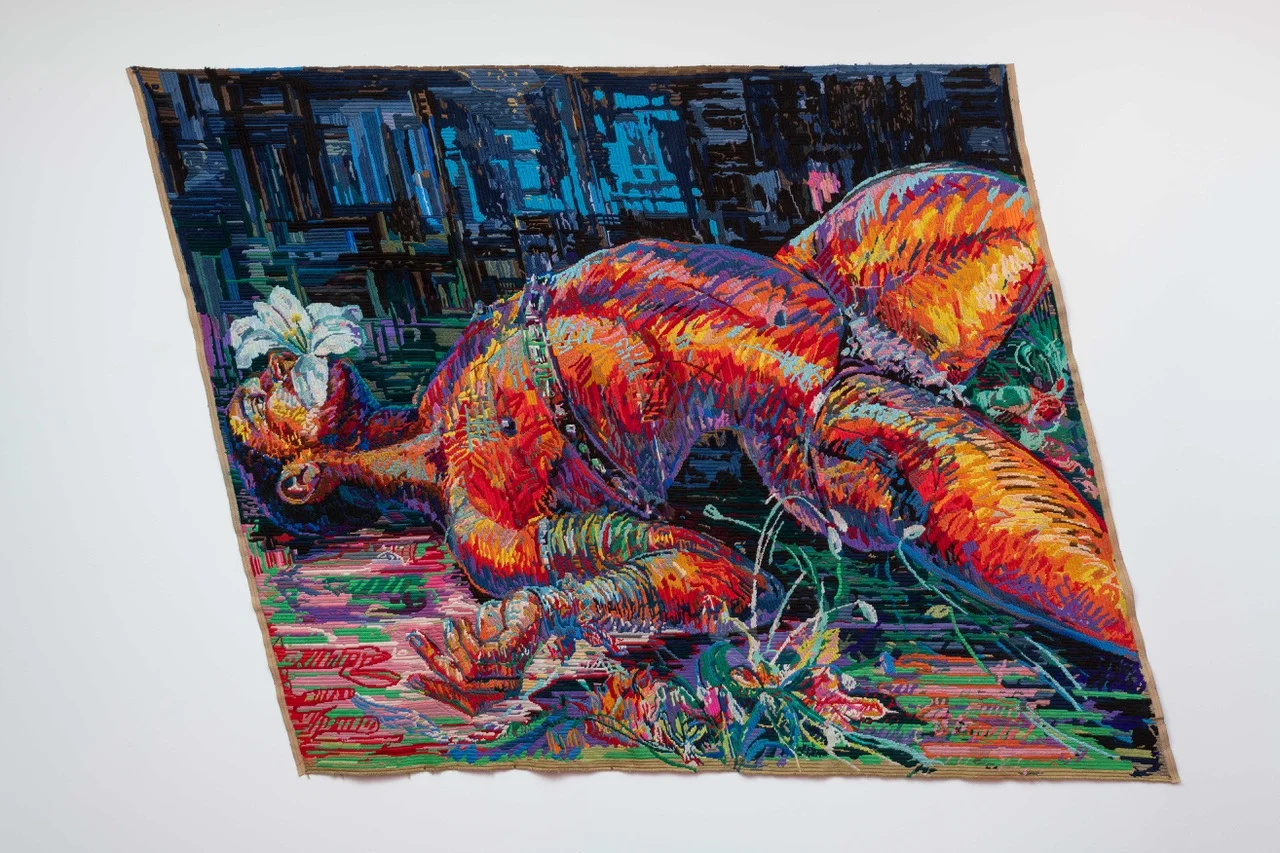
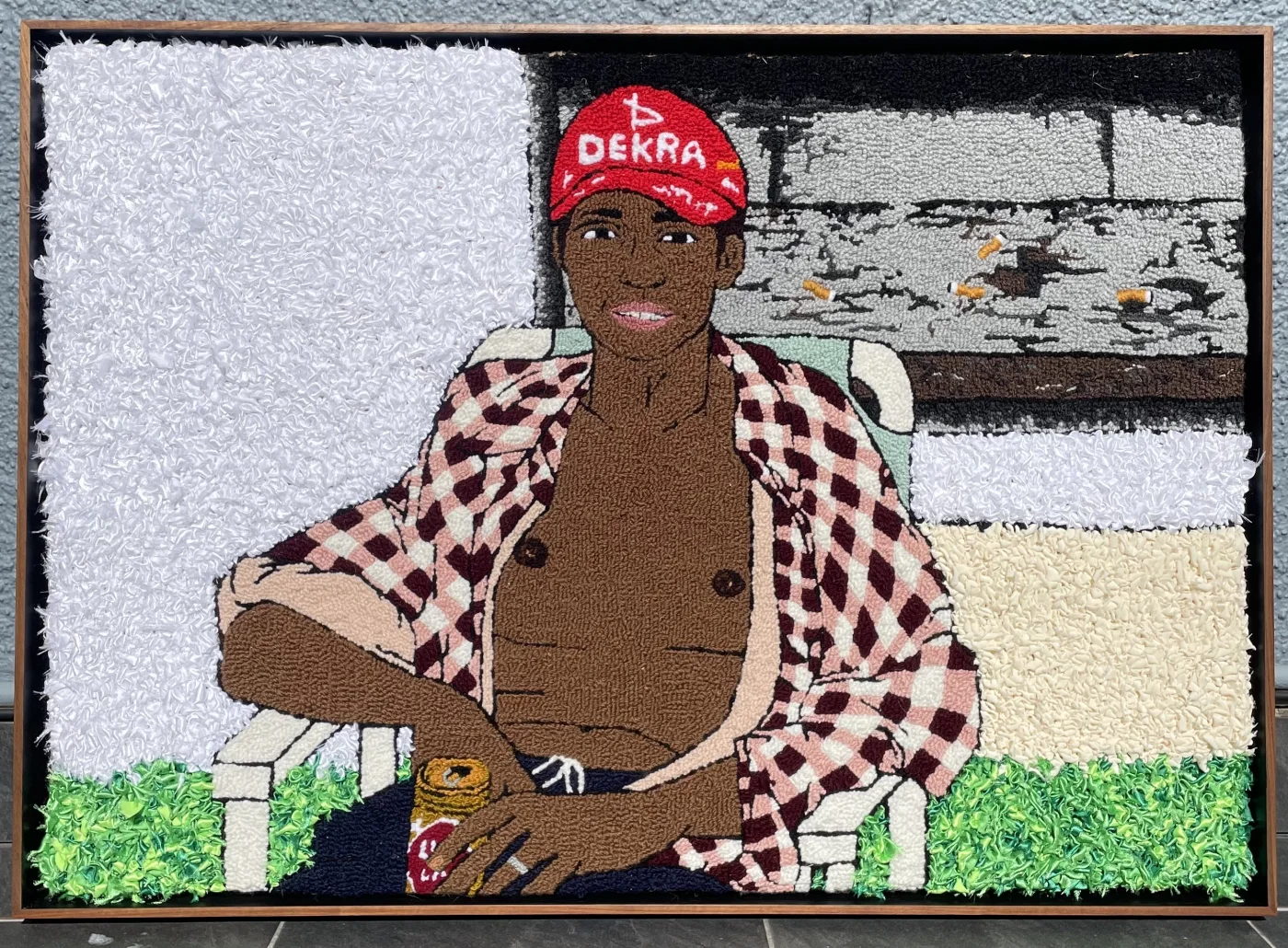
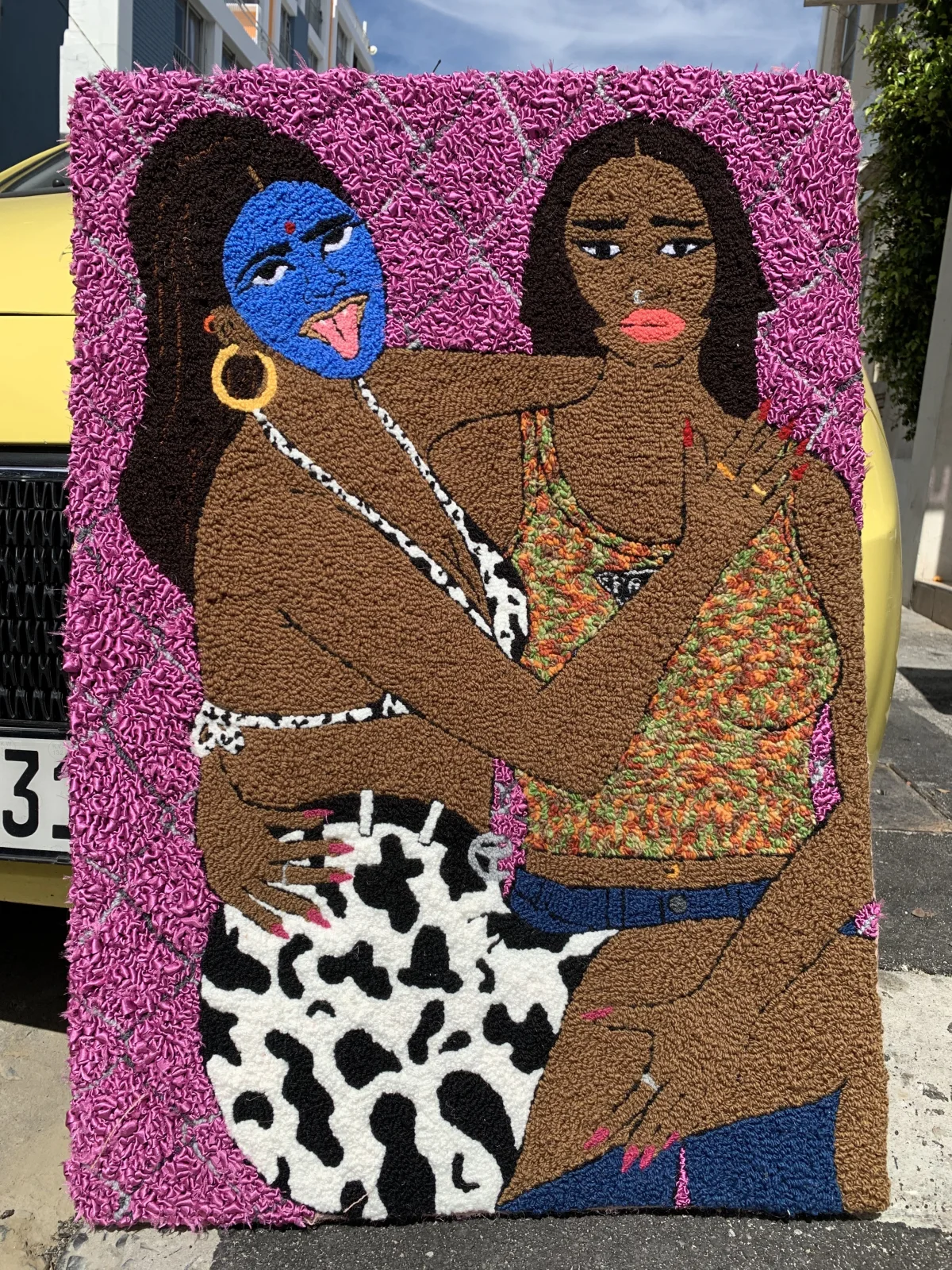
The queer artists of How is a triangle the strongest shape? are invited as expert voices in the practice of tapestry; a practice historically regarded as craft, in a derogatory distinction from fine art. In recognition of this, there is also the recognition of textile works as being historically women led (or relegated?) mediums of production. Through this gendered lens, the exhibition simultaneously pays homage to the lesbian community’s unforgettable role as both carer and advocate at the height of the HIV/AIDS crisis. The collapse of this patriarchal-colonial distinction makes room for something or someone else. In consideration of the exhibition’s titular question, one might find the answer in simultaneously asking: why is L the first letter in LGBTIQ+?
Both mythological and autobiographical vivid portraiture act as a visual reminder of the very thing that might make endurance possible within marginalised communities: the community itself.